Can I Stay Home For This? The Importance and Legality of Mental Health Days
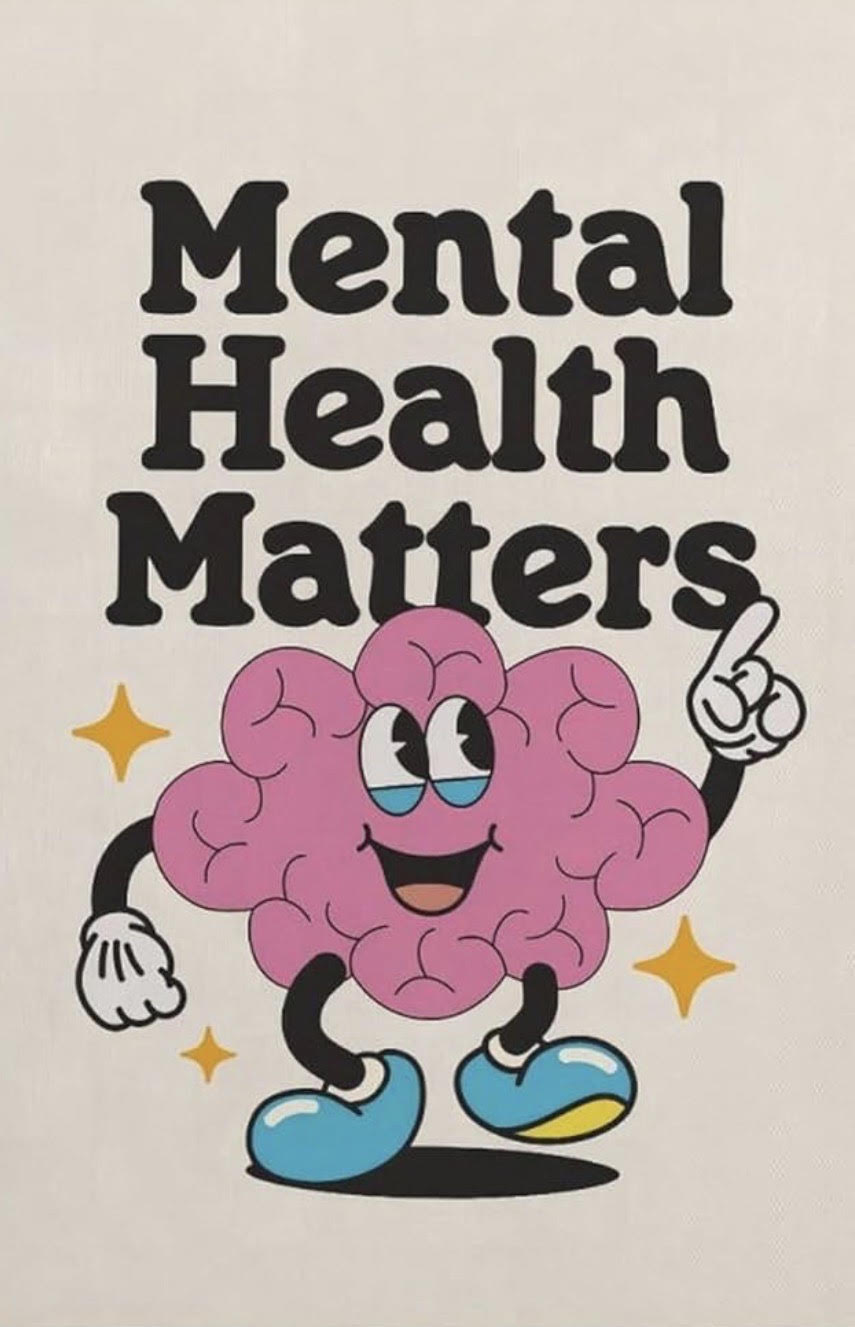
It’s considered normal to skip school for having a cough or runny nose, but are these physical symptoms the only acceptable reasons to take a day off? The answer is no, and the proof lies within a law most students and parents probably aren’t aware about: in 2021, it became legal for public school students in California to take up to five days per school year of excused absences for mental health.
So what does this mean? Most importantly, the law states that mental health days aren’t reserved for people with diagnosed disorders. Anxiety, depression, panic attacks, burnout, stress overload, grief, trauma response, and overstimulation are all valid reasons for anyone to take a mental health day, just like calling in sick for a sore throat.
Mrs. Raschilla, who teaches health at CCHS, says she "definitely think[s] it’s important for students to take mental health days [...] the rates of workload, burnout, anxiety and depression have increased dramatically over the past few years.” She also notes that, “countries who prioritize mental health have better work-life balance, increased productivity in their work, and are genuinely more fulfilled and healthier.” It’s important to recognize that your mental well-being can impact your ability to succeed in school, whether it’s doing well on an exam or simply paying attention in class.
During the COVID-19 pandemic and coming out of it, chronic sadness, suicide consideration, and symptoms of anxiety and depression in students substantially increased. According to the Biennial State California Healthy Kids Survey, the 2020-2021 school year exhibited the largest decline in academic motivation on record. As more students reported experiencing hopelessness, the discussion and recognition of mental health surged. Twelve states now allow students to take excused mental health days, including California.
Although these laws are a vast step forward, they are not a complete solution. First of all, schools often fail to communicate these policies to students. When asked if she knew of the law’s existence, Mrs. Raschilla said she did not. If students aren’t aware that they’re entitled to mental health days, they may go to class even though they legitimately need a break or they might feel inclined to lie about the reason they’re at home. Secondly, because there is still social stigma around mental health, students might lie regardless of whether the official policy allows them to take the time off, which only reinforces the stigma. It’s not enough for administrators and teachers to promote the importance of emotional well-being; students have to actively support each other to truly drive meaningful change.